

podcast studio prep san francisco
How to Prepare for a Podcast Studio Session
A practical prep guide for recording a podcast or interview at a San Francisco podcast studio, from format and wardrobe to guest flow, clip planning, and delivery.
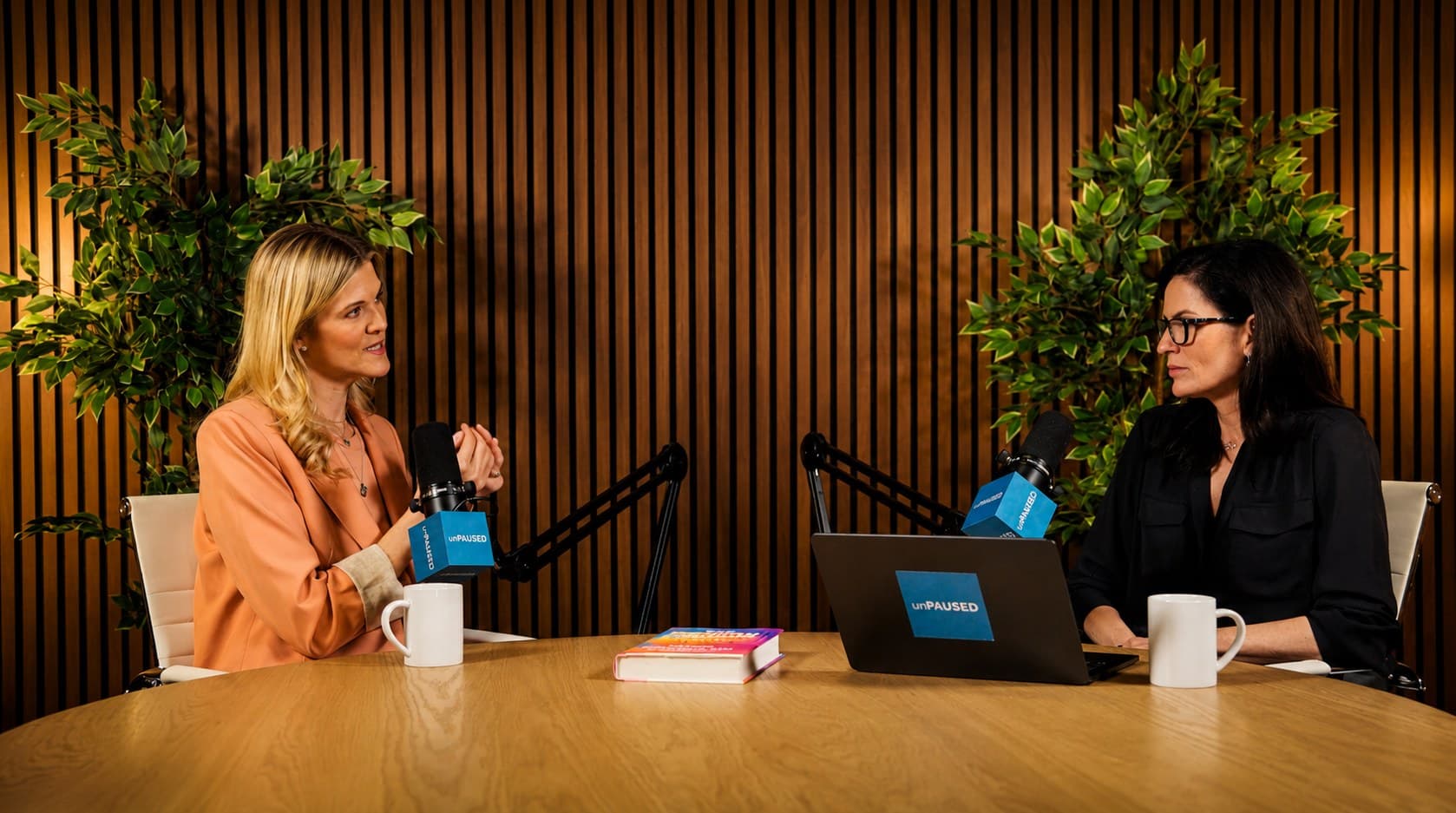
First call
Lock the format before you choose the room
Bring first
Episode title or working topic
Watch for
Arriving with only a topic instead of a rundown.
Producer read
Preparation is how the session stays expensive-looking.
A professional podcast session is more than microphones and chairs. The difference is preparation: clear episode structure, a room that fits the conversation, camera-friendly wardrobe, and a plan for the assets you need after the conversation ends.
Decision sequence
Decide in this order.
01
Lock the format before you choose the room
A founder monologue, two-person interview, panel, brand conversation, remote guest episode, and clip batch all need different room choices. Decide the number of voices, whether people need a table, how formal the set should feel, and whether the final cut needs close-ups, wides, or social-first framing.
02
Bring a rundown that keeps people natural
A dense script can make a smart guest sound stiff. Bring a scannable rundown instead: intro, guest bio, opening question, three to five core beats, proof points, sponsor or offer reads, and a clean closing call to action.
03
Dress for cameras, microphones, and the room
Solid colors usually film best. Avoid tight stripes, tiny checks, loud jewelry, reflective glasses when possible, and noisy fabrics near lavs or boom mics. Bring one backup top or jacket so the team has a fix if wardrobe blends into the set.
04
Plan the clips before the episode starts
If the session needs to become clips, write the likely hooks before arrival. Ask questions that create standalone answers, pause after strong moments, and capture a few clean intros or one-liners while the lighting and audio are already dialed.
Protect this
What a prepared session protects.
- The best podcast sessions usually protect the first 10 minutes for settling in, mic checks, and getting the guest comfortable.
- If a guest is nervous, start with an easy warm-up question before recording the most important section.
- For business podcasts, the strongest clips usually come from specific claims, examples, objections, and stories, not generic advice.
Avoid this
The mistakes that make post harder.
- Arriving with only a topic instead of a rundown.
- Booking the exact episode length with no buffer for setup, guest arrival, or retakes.
- Forgetting thumbnail stills, intro reads, sponsor copy, or short-form hooks.
Bring list
Small decisions, cleaner footage.
01
Episode title or working topic
02
Guest names and pronunciation notes
03
Rundown or interview questions
04
Wardrobe backup option
05
Brand assets or sponsor copy
06
Publishing platforms and aspect ratios
Questions
Before the booking.
How long should I book for a podcast recording?
One hour can work for a focused short episode. Two hours is safer for interviews, multiple clips, resets, guest comfort, and a more relaxed session.
Do I need to bring microphones or cameras?
No. Every podcast booking includes 2 studio operators and a minimum of 3 cameras. Professional studio audio and lighting are also included so you can focus on the conversation.
Next move